

If you grew up in a South Asian household, you already know Multani Mitti. It's the beige powder your mother or grandmother mixed into a paste for pimples, tans, and pre-wedding glow — the original DIY face mask, centuries before the beauty industry bottled it.
Multani Mitti (Fuller's Earth) is a natural mineral clay, and it's earned its reputation honestly: it absorbs excess oil, gently exfoliates, and leaves skin looking clearer and more even. But like any strong ingredient, it works beautifully when used right — and backfires when used wrong. Here's the full picture.
What is Multani Mitti?
Multani Mitti literally means "mud from Multan" (a city in present-day Pakistan), where it was historically sourced. It's a form of Fuller's Earth — a clay rich in minerals including magnesium, silica, and calcium.
In Ayurveda, it's classified as cooling and absorbing, which is why it's the traditional answer to exactly the problems heat and oil cause: breakouts, shine, clogged pores, and tanned, tired-looking skin.
What Multani Mitti actually does for skin
Let's be precise about what's real and what's folklore:
- Absorbs excess oil. This is its superpower and it's well established — the clay's fine particles soak up sebum from the skin's surface and from inside pores. If your skin is oily, this is the single most useful thing a mask can do.
- Gently exfoliates. As the paste dries and you rinse it off with light circular motions, it lifts dead skin cells. It's milder than a scrub and more effective than a cream cleanser alone.
- Improves the look of pores and tone. Cleaner pores look smaller; regular gentle exfoliation evens out texture. Over weeks of weekly use, skin looks clearer and more even-toned.
- Calms the look of blemishes. The cooling, oil-absorbing action is why generations have dabbed it on pimples. It won't cure acne — but it helps manage the oiliness that feeds it.
What it won't do: permanently shrink pores (nothing does), erase deep scars, or lighten your natural skin tone. "Glow" is real; "fairness" is marketing. Don't buy the second one.
How to use Multani Mitti: the mixing liquid matters most
Pure Multani Mitti mixed with water is strong — sometimes too strong. The Ayurvedic trick is pairing it with the right liquid for your skin: oily / acne-prone skin → rose water or plain water; dry skin → milk or yogurt (the fats buffer the clay's drying effect); dull / tanned skin → rose water + a pinch of turmeric; sensitive skin → milk, and use less powder.
The golden rules:
- Never let it crack fully. Apply for 10–15 minutes and rinse when it starts feeling tight — not when it's a dry desert map on your face. Over-drying is the #1 way people ruin their experience with clay.
- Once a week is enough. Twice at most for very oily skin. More is not better with clays.
- Moisturize after. Every time. A clay mask deep-cleans; your moisturizer's job is to restore what the cleanse took.
The easier way: a mask that does the formulating for you

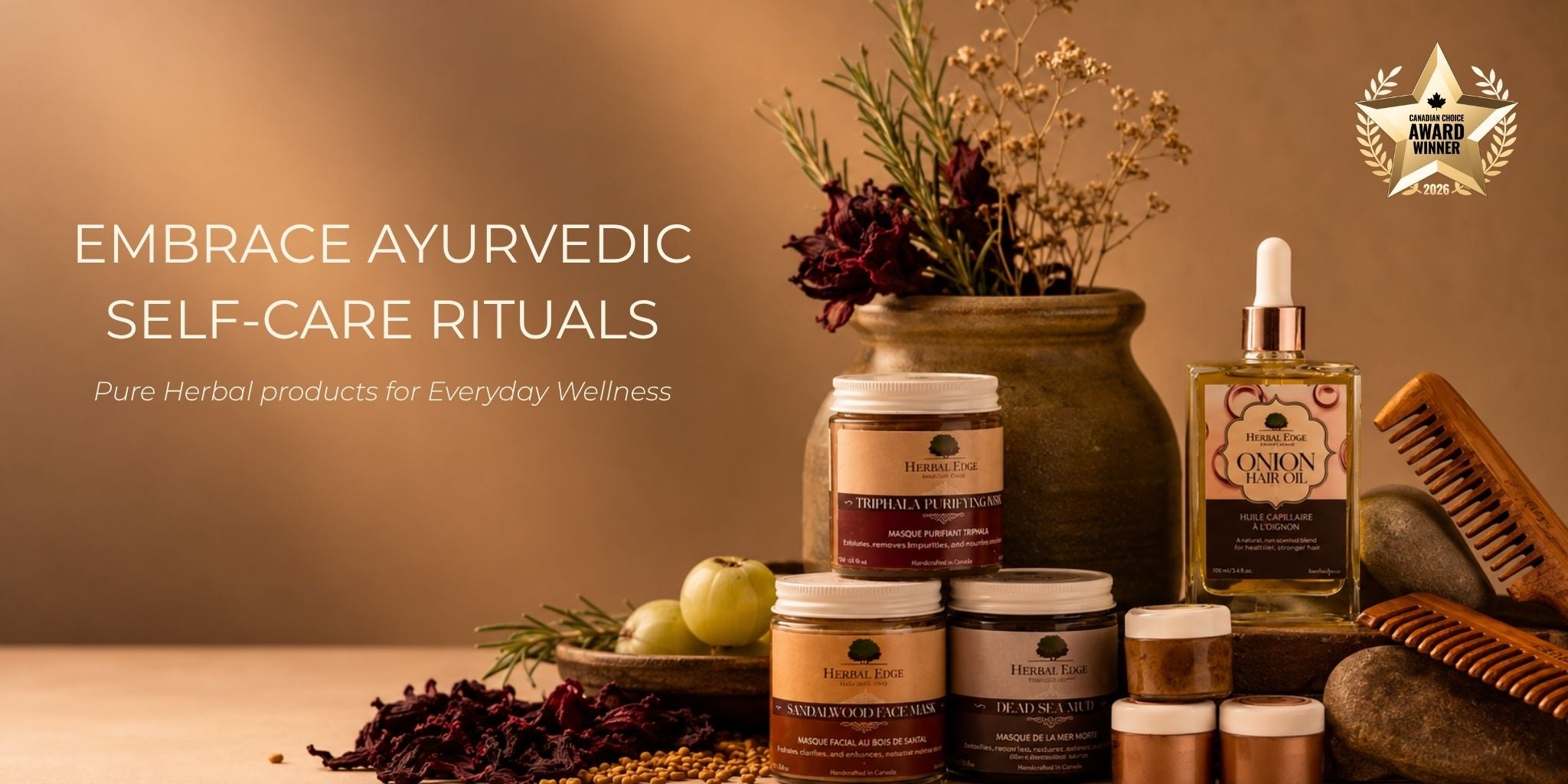
Mixing raw Multani Mitti at home works, but getting the ratios and add-ins right takes trial and error. That's why we made our Sandalwood & Orange Peel Clay Mask — it starts with a Multani Mitti base and adds the two botanicals Ayurveda pairs with it most:
- Sandalwood (Santalum Album) — cherished for centuries to nurture the skin, traditionally used for a calm, even-looking complexion
- Orange peel — natural vitamin C and gentle exfoliating action for dullness and dark spots
- Rosehip and nutmeg — for extra glow support
You still mix it fresh (it's a powder, as it should be), but the formulation work is done. From $6 for the 15 gm mini, $20 for the 80 gm jar.
For dry skin: remember the milk trick — mix it with milk instead of water and it becomes a completely different, much gentler experience.
Multani Mitti mistakes to avoid
- Using it daily. It's a weekly treatment, not a daily cleanser. Daily use strips the skin barrier and causes rebound oiliness.
- Letting it dry rock-hard. See above — tight is done, cracked is too far.
- Using it on broken or irritated skin. Clay on a compromised barrier stings and delays healing. Wait until skin calms.
- Skipping moisturizer after. Non-negotiable, every single time.
- Expecting overnight miracles. Four to six weekly sessions is when most people see the real difference in texture and tone.
The bottom line
Multani Mitti earned its centuries-long reputation the honest way — it does a few things very well. Absorb oil, exfoliate gently, even out tone. Used weekly, mixed with the right liquid for your skin, and never left on too long, it's one of the simplest effective skincare steps there is.
Try it in our Sandalwood & Orange Peel Clay Mask, or explore all three masks in the Face Masks collection.